Key Takeaways
- •Speaker placement and quality significantly impact relaxation response
- •Volume should be conversational—clear but not demanding attention
- •Sleep timers prevent waking when content ends
- •Headphones vs. speakers is personal—test both to find your preference
The right audio environment transforms companion content from "something playing in the background" to an immersive cocoon of comfort. Small adjustments to your setup can significantly improve how effectively audio helps you relax and sleep.
Choosing Your Audio Delivery
The first decision: speakers or headphones? Each has advantages for bedtime listening.
Speakers
Advantages:
- No discomfort from wearing devices
- Natural sound that fills the room
- Easy to share with a partner
- Nothing to remove when falling asleep
Considerations:
- May disturb others in the home
- Room acoustics affect quality
- Ambient noise can interfere
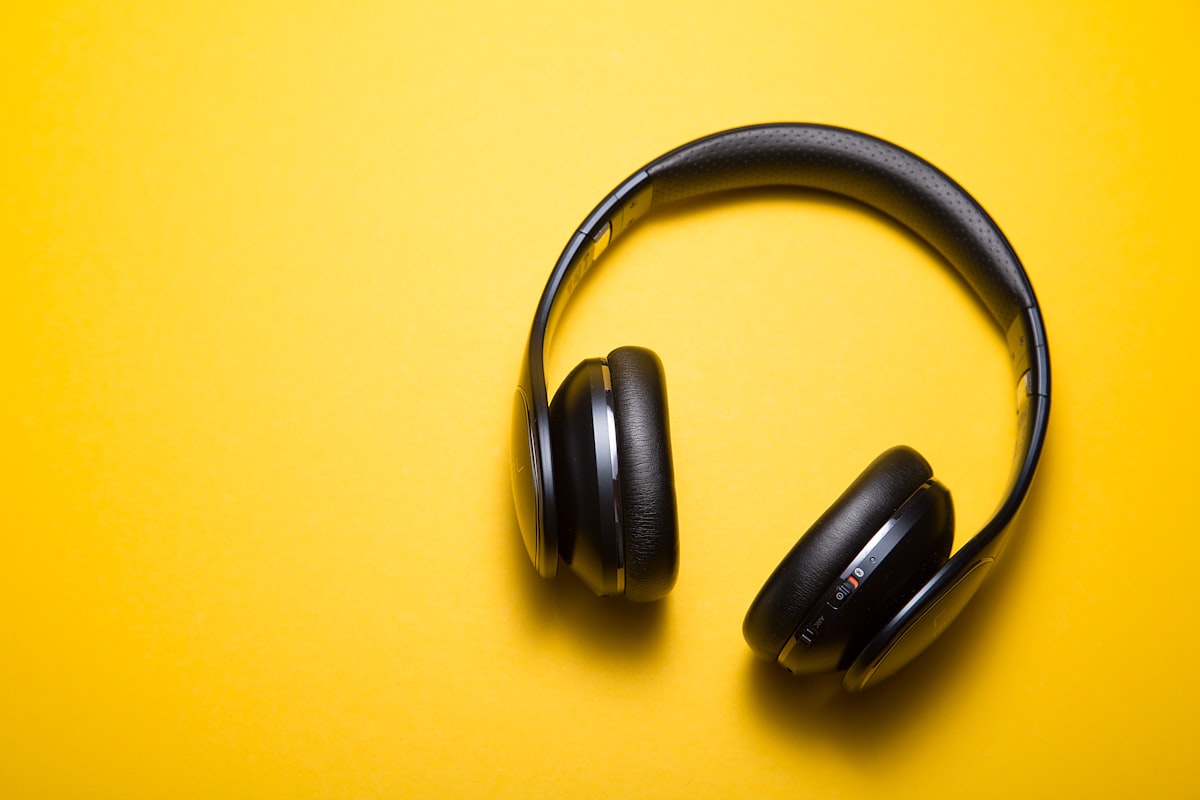
Headphones
Advantages:
- Intimate, personal experience
- Blocks external noise
- Doesn't disturb others
- Consistent quality regardless of room
Considerations:
- Comfort can be an issue when lying down
- Need to remove before sleeping (or choose sleep-specific headphones)
- Can feel isolating rather than cozy
Sleep-Specific Headphones
If headphones work better for you, consider sleep headphones: flat speakers embedded in a soft headband. They're designed to be comfortable while lying on your side and don't need removal before sleep.
Speaker Setup for Bedtime
Placement
For sleep audio, placement matters more than you might think:
- Bedside: Best for intimate, voice-focused content. Place at ear level when lying down
- Across the room: Creates ambient feel, less intimate but more "presence in the room"
- Under the pillow: Pillow speakers exist for this—very intimate, won't disturb partner
Recommended Speaker Types
You don't need expensive audio equipment. What matters:
- Clear midrange: Voice clarity comes from midrange frequencies
- Warm tone: Avoid speakers that emphasize harsh high frequencies
- Adequate bass: Low frequencies feel soothing, but don't need to be powerful
- No distortion at low volumes: Quality speakers sound good even when quiet
Volume Settings
Volume is crucial. Too loud demands attention; too quiet strains to hear. According to Sleep Foundation research, the ideal range for sleep audio is:
- 40-50 decibels: About the level of quiet conversation
- Just above ambient noise: Audible without effort
- Comfortable from your pillow: Don't adjust for sitting up
Finding Your Level
- Lie in your sleep position
- Start at a barely-audible level
- Slowly increase until words are effortlessly clear
- Stop—don't go louder "to be safe"
The goal is audio that's present without demanding attention. You should be able to let it wash over you.
Managing Content Transitions
Sleep Timers
One of the most important settings for bedtime audio. Without a timer:
- Content ends abruptly, potentially waking you
- Silence contrast can be jarring
- You might wake confused in the middle of the night
Set timers for:
- Content length + 15-20 minutes: Allows for natural sleep onset
- Auto-fade: If your app supports it, gradual volume reduction is best
- Loop with fade: For longer nights, loop content but with automatic volume reduction
Content Length
Match content length to your typical time-to-sleep:
- Fall asleep quickly (10-15 min)? Short recordings are fine
- Take longer (20-30 min)? Choose longer content or playlists
- Variable? Err on the longer side with a sleep timer
The Fade-Out Technique
Some apps and smart speakers support gradual volume reduction. Starting at comfortable volume and slowly fading to silence over 30-60 minutes mimics natural sleep transition and prevents jarring endings. If your setup supports this, use it.
Optimizing Your Room
Light
Audio environment includes visual environment:
- Complete darkness is ideal for sleep
- Dim, warm light (red/orange) is acceptable during wind-down
- Avoid blue light from phones/tablets—use dark mode or turn off screens
- Cover LED indicators on speakers and devices
Temperature
Research confirms that 65-68°F (18-20°C) is optimal for sleep. Too warm and you'll be restless regardless of how good the audio is.
Competing Sounds
Minimize audio interference:
- Turn off notifications on devices
- Consider white noise to mask unpredictable sounds (traffic, neighbors)
- Address consistent noise sources if possible
Device Considerations
Phone vs. Dedicated Device
Using your phone for sleep audio has trade-offs:
Pros:
- Always with you
- Easy app access
- Built-in sleep timer
Cons:
- Notification temptation
- Blue light if screen is visible
- Battery considerations
A dedicated speaker or old phone on airplane mode (with WiFi) can be a better sleep audio device—no distractions.
Smart Speakers
Devices like smart speakers work well for sleep audio:
- Voice control (no screen interaction)
- Built-in sleep timers
- Good audio quality for voice content
- Always ready
Just disable the wake word overnight if the listening indicator light is distracting.
Creating Ritual Through Setup
Part of an effective audio environment is the ritual of preparing it. This signals to your brain that sleep is coming:
- Same device, same place every night
- Consistent volume setting—don't adjust daily
- Predictable content selection process—don't spend 10 minutes choosing
- Physical preparation before audio—be in bed, comfortable, ready to sleep when you press play
Troubleshooting Common Issues
"Audio keeps waking me up"
- Volume may be too high—reduce it
- Content may be too engaging—choose calmer recordings
- Set a sleep timer to avoid abrupt endings
"I can't hear clearly when lying down"
- Reposition speaker closer to ear level
- Try a pillow speaker
- Consider sleep headphones
"Partner complains about the audio"
- Switch to headphones or pillow speaker
- Lower volume further
- Try mono speaker on your side only
"Audio sounds harsh/tinny"
- Upgrade speaker quality (midrange matters for voice)
- Check EQ settings—reduce treble, boost midrange slightly
- Change speaker position (avoid placing in corners)
Conclusion
Creating the perfect bedtime audio environment isn't about expensive equipment—it's about thoughtful setup. The right volume, appropriate device placement, proper timers, and consistent ritual transform audio companionship from a nice idea into an effective sleep tool.
Start with your current setup and make small adjustments. Pay attention to what helps you relax and what doesn't. The perfect environment is personal—these guidelines help you find yours.
Frequently Asked Questions
What if I share a bed but my partner doesn't want audio?
Pillow speakers or bone conduction headphones let you listen without disturbing your partner. Some people also find that very low volume speakers on their side of the bed work—the sound doesn't travel far enough to disturb.
How do I know if my speaker quality is good enough?
If voice sounds natural and clear at low volumes without distortion, it's good enough. Expensive speakers aren't necessary—even a decent phone speaker works for voice content. The key is clarity, not power.
Should I use the same content every night?
Either approach works. Consistency builds association—your brain learns that specific audio means sleep. Variety prevents boredom. Many people use the same companion with rotating content themes based on mood.
What about using TV audio instead?
TV audio can work, but screens emit blue light that interferes with sleep. If using TV, turn off the screen and use audio only, or face it away from the bed. Purpose-made sleep audio is generally more effective than TV shows.